Cholatse Peak (6,440 meters / 21,129 feet) is one of the most striking and technically demanding peaks in the Everest region, located between the Gokyo and Khumbu valleys. Unlike trekking peaks such as Island or Mera, Cholatse is classified as an expedition peak, known for its steep ridges, exposed climbs, and mixed rock and ice routes. Its narrow summit and dramatic south face have made it a coveted challenge among seasoned alpinists.
This climb is not suitable for beginners. It is recommended for climbers with solid alpine experience, including proficiency in using fixed ropes, crampons, ice axes, and glacier travel techniques. Cholatse is less commercialized, meaning it sees fewer climbers, offering a more remote and raw Himalayan experience.
The approach usually involves trekking through the Everest Base Camp trail or the Gokyo Lakes route, with acclimatization in key Sherpa villages like Namche Bazaar, Dole, and Machhermo. From there, climbers move toward Cholatse Base Camp, located near the foot of the massive southwest ridge. The climb itself typically involves establishing Base Camp, High Camp, and potentially a Camp I depending on the chosen route (most often the southwest ridge).
The summit rewards climbers with jaw-dropping 360° views of the Everest massif, including Cho Oyu, Ama Dablam, Nuptse, Lhotse, and the Gokyo Lakes.
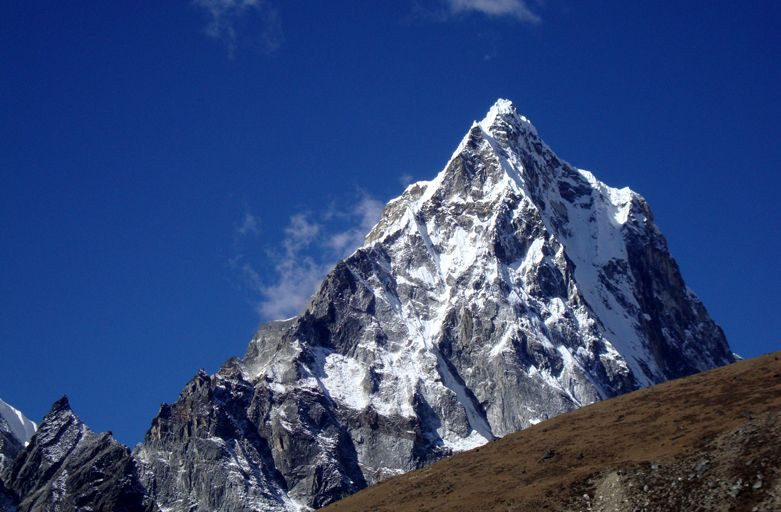
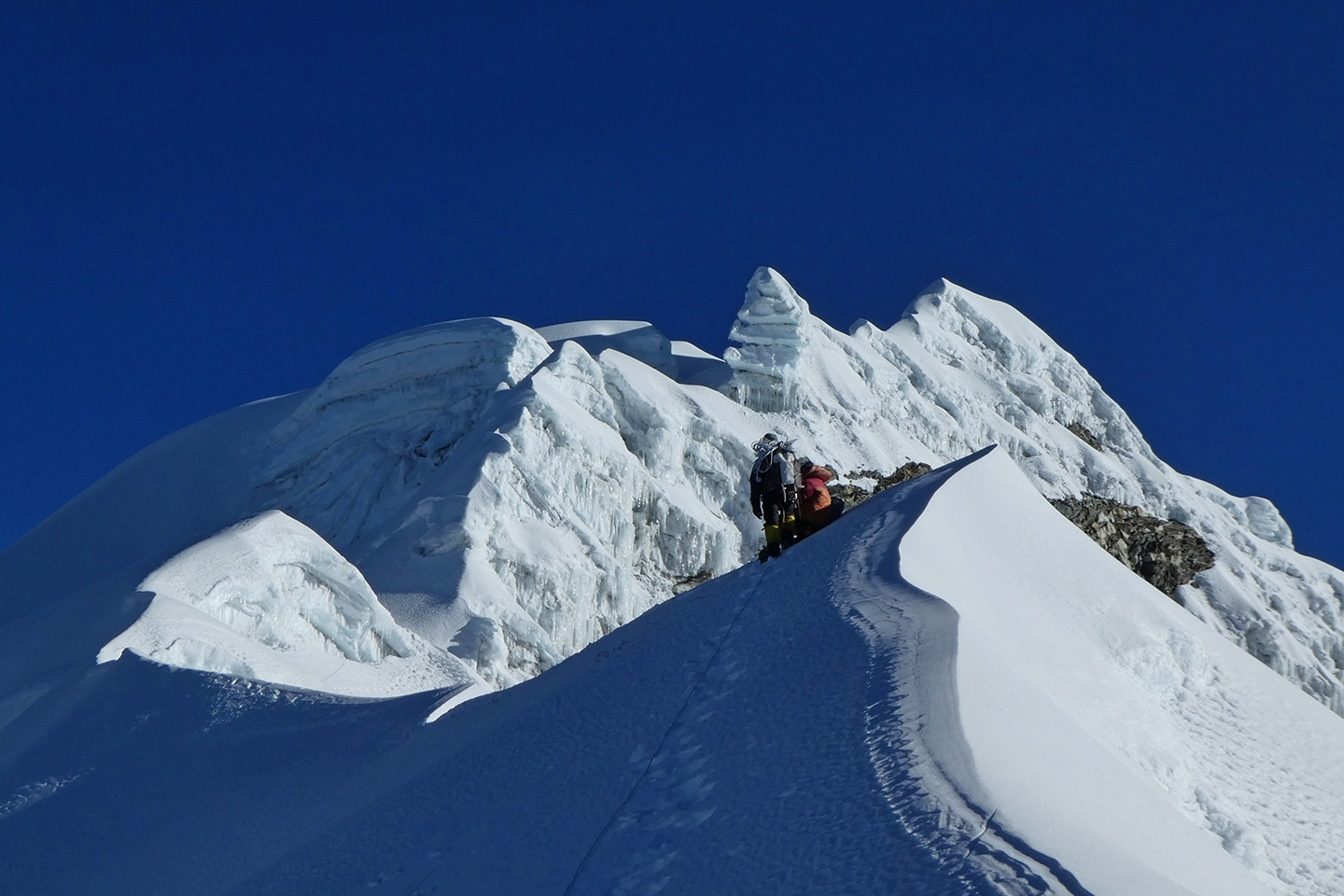

Technical Difficulty: Cholatse is a technical climb involving vertical ice walls, knife-edge ridges, and mixed climbing. Prior high-altitude mountaineering experience is a must.
Physical Preparation: Climbers should have a high level of fitness, mental toughness, and familiarity with ice tools, fixed ropes, and steep terrain.
Acclimatization: The route provides good acclimatization through the Everest region, but climbers must still be cautious of AMS (Acute Mountain Sickness).
Best Seasons:
Spring (April–May) – More snow but usually more stable climbing conditions.
Autumn (October–early November) – Clear skies and dry rock, but colder.
Team Size: Smaller expedition teams (4–10 people) are ideal for safety, logistics, and flexibility on this peak.
Upon arrival at Tribhuvan International Airport in Kathmandu, you will be greeted and transferred to your hotel. The rest of the day is free to rest or explore the city. A pre-climb briefing may be held depending on arrival time.
Hotel/Lodge
Breakfast/Lunch/Dinner
You will take an early morning scenic flight to Lukla, the gateway to the Khumbu region. After landing, begin your trek by heading to the village of Phakding. The trail is gentle and follows the Dudh Koshi River.
Hotel/Lodge
Breakfast/Lunch/Dinner
Today’s trek involves crossing several suspension bridges and walking through pine forests. You will pass Monjo and enter the Sagarmatha National Park. A steep climb brings you to Namche Bazaar, the main hub of the Everest region.
Hotel/Lodge
Breakfast/Lunch/Dinner
Leaving Namche, you follow the trail that gradually ascends through forests and alpine landscapes. You pass by small villages such as Sanasa and eventually reach Dole, a quiet place with excellent views of the surrounding peaks.
Hotel/Lodge
Breakfast/Lunch/Dinner
The trek continues with gradual elevation gain through yak pastures and open hillsides. The landscape becomes more barren as you ascend. You arrive in Macchermo by midday, with time to rest and acclimatize.
Hotel/Lodge
Breakfast/Lunch/Dinner
You trek along the Gokyo Valley, passing through stunning alpine landscapes. You will reach the beautiful turquoise Gokyo Lakes, nestled beneath snow-capped mountains, by afternoon.
Hotel/Lodge
Breakfast/Lunch/Dinner
After enjoying the morning views around Gokyo, you cross the glacier and trek to Dragnak, the base point for crossing the Cho La Pass the following day.
Hotel/Lodge
Breakfast/Lunch/Dinner
This is a challenging day as you cross the high-altitude Cho La Pass, which can be icy and steep. After reaching the top, descend carefully to Dzonglha where you will spend the night.
Hotel/Lodge
Breakfast/Lunch/Dinner
You leave the main trekking route and follow a more remote trail toward Cholatse Base Camp. The route passes rugged terrain, rock faces, and alpine zones. Upon arrival, the base camp is set up and the climbing preparation begins.
Hotel/Lodge
Breakfast/Lunch/Dinner
These days are reserved for the climbing phase of Cholatse Peak. Depending on weather, team condition, and route setup, the summit push will take place during this period. You will gradually ascend via high camp, establish fixed ropes, and attempt the summit at 6,440 meters. Ample time is included to account for acclimatization, rest, and potential delays due to weather.
Camp
Breakfast/Lunch/Dinner
After a successful summit, you will descend carefully back to Base Camp, pack up, and then trek down to Pangboche. This is a long but rewarding day as you drop significant altitude.
Hotel/Lodge
Breakfast/Lunch/Dinner
Trek down through the Khumbu region, passing through Tengboche and the famous monastery. Continue to Namche Bazaar where you can enjoy the comforts of the town and celebrate your climb.
Hotel/Lodge
Breakfast/Lunch/Dinner
Descend from Namche Bazaar to Lukla, completing your trek. From Lukla, take a short flight back to Kathmandu and transfer to your hotel.
Hotel/Lodge
Breakfast/Lunch/Dinner
This is a free day in Kathmandu to rest, relax, or explore the city. It also serves as a buffer day in case of delays. You may choose to visit historical sites, shop for souvenirs, or simply recover after the expedition.
Hotel/Lodge
Breakfast/Lunch/Dinner
If this itinerary doesn't suit you and you'd like to create your own, let's talk now!

our meals during your stay in Kathmandu will be on a bed & breakfast plan. We will host a welcome dinner and a farewell dinner in Kathmandu. Any additional meals during your stay will be at your own expense.
During the trek, your meals are included as part of our package. You will have a choice of breakfast, lunch, and dinner, as well as tea/coffee during your trekking days with us. We will source food for your group from guesthouses, prepared by trained local chefs. We take care to ensure that your food is fresh and hygienic.
During the climb, your meals is cooked by our Sherpa Cook, and support team. They prepare fresh, hygienic food, and boil the water for drinking.

For this trip, we use 4-star deluxe luxury hotels in Kathmandu to ensure your stay is comfortable. During the trek, you will be staying in mountain lodges and guest houses owned by local Sherpas, offering a nice and comfortable experience. You will have hotel with attached bathroom staying in Lukla whereas other places will have regular Sherpa Community Lodges which are clean, neat and comfortable.
During your climbing days, you will be staying in two men tented camp.
We have compiled a list of departure dates for this Climbing each month. Please feel free to select a date and time that best suits your schedule. In the event that none of the listed dates align with your availability, kindly inform us of your preferred date and time, and we will gladly accommodate your request. As a personalized tour and trekking operator in Nepal, we predominantly offer private departure dates for this climb.
However, if you prefer to climb Peak in a group, please let us know. We will have no trouble organizing this climb as a group departure on a date and time convenient for you.

Route Options: The most common route is the Southwest Ridge, which requires establishing at least one high camp and negotiating ice walls up to 70°.
Logistics Support: Due to the remote and technical nature of Cholatse, the expedition must be fully supported with porters, cooks, and climbing staff.
Weather Dependency: High winds, snowfall, and unstable cornices are common. Flexible summit windows and extra buffer days are essential.
Gear Rental: High-quality personal gear (boots, down suit, crampons, ice axe, etc.) can be rented or bought in Kathmandu.
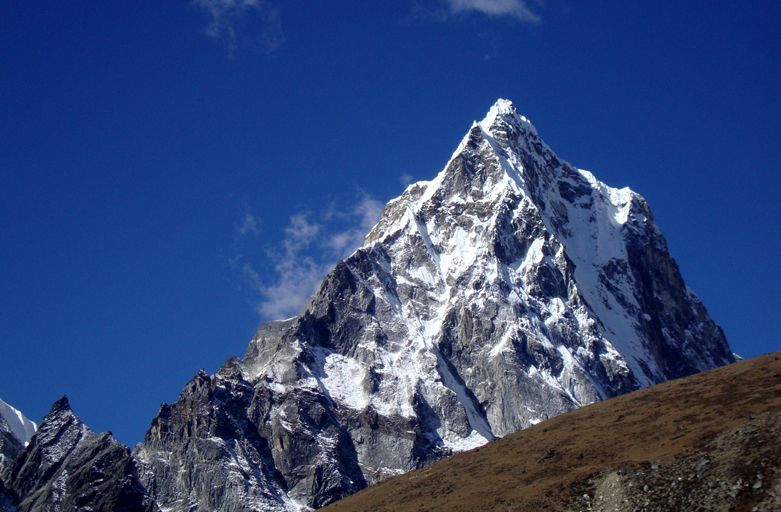
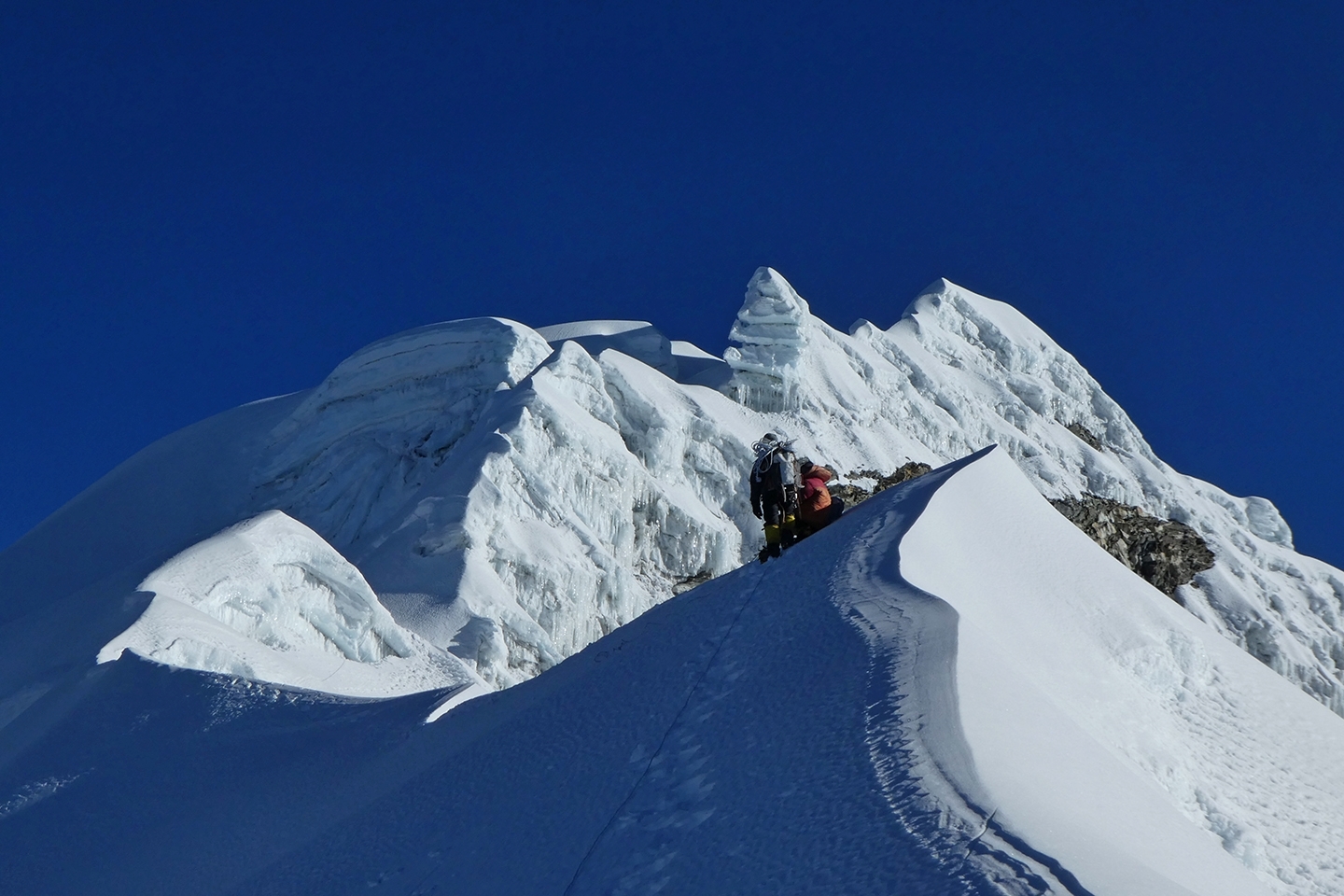
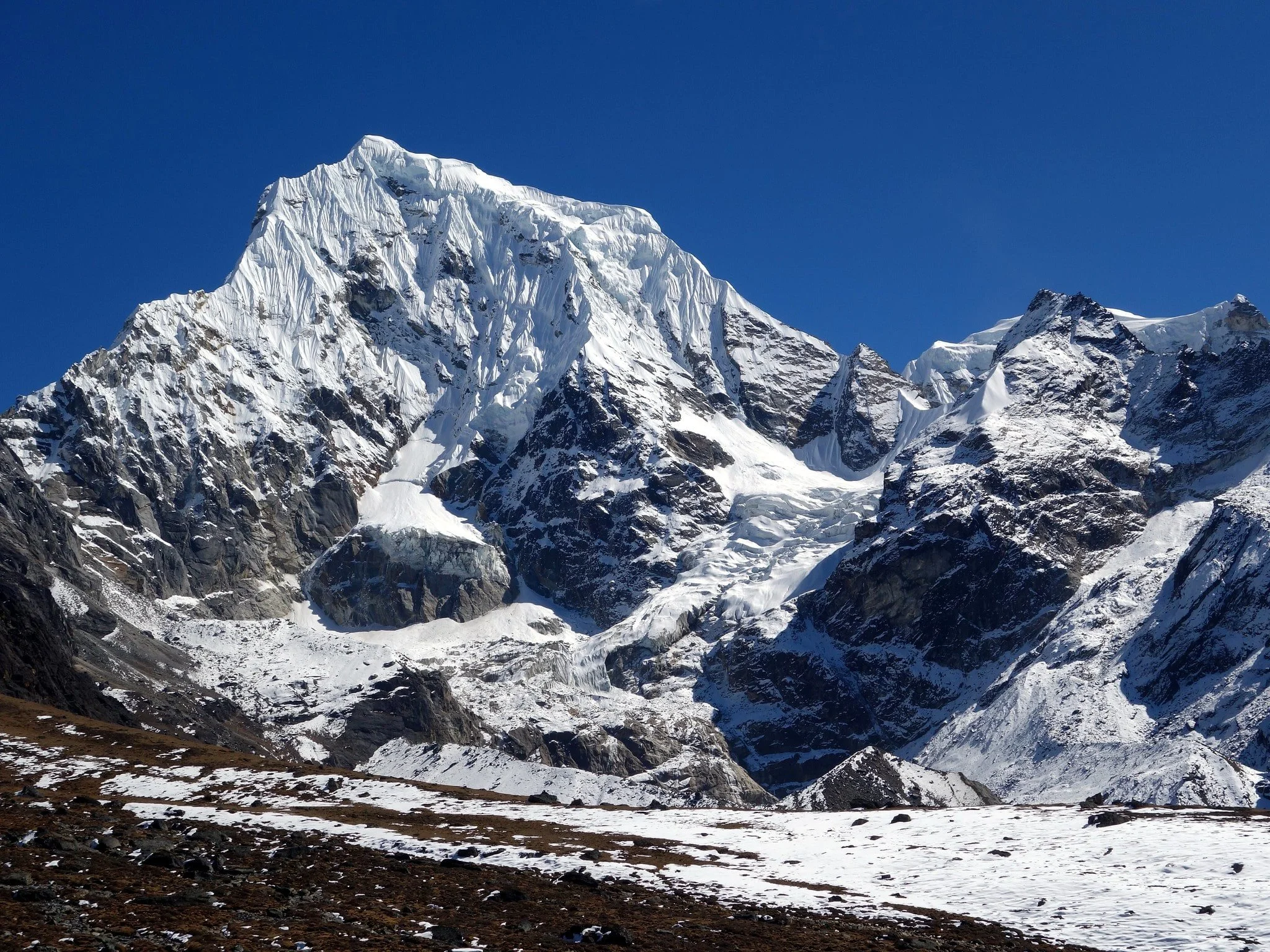
Cholatse is one of the most technical non-8000m peaks in Nepal. The climb includes steep ice, rock, and mixed terrain. It is suitable only for experienced mountaineers.
You must be comfortable with fixed rope ascents/descents, glacier travel, and high-altitude bivouacs. Experience with 6,000m+ peaks like Lobuche East or Island Peak is highly recommended.
A full Cholatse expedition typically takes 21–24 days, including acclimatization, trekking, climbing, and buffer days for weather.
 Saftey Trips Expert Guides Resonable Price Experienced